Nier Automata Isn't About What You Think
Nier Automata explores what AI truly is. And it's different from what movies and games usually tell us. This video essay examines the gap between how artificial intelligence is portrayed in media versus how it actually works in the real world.
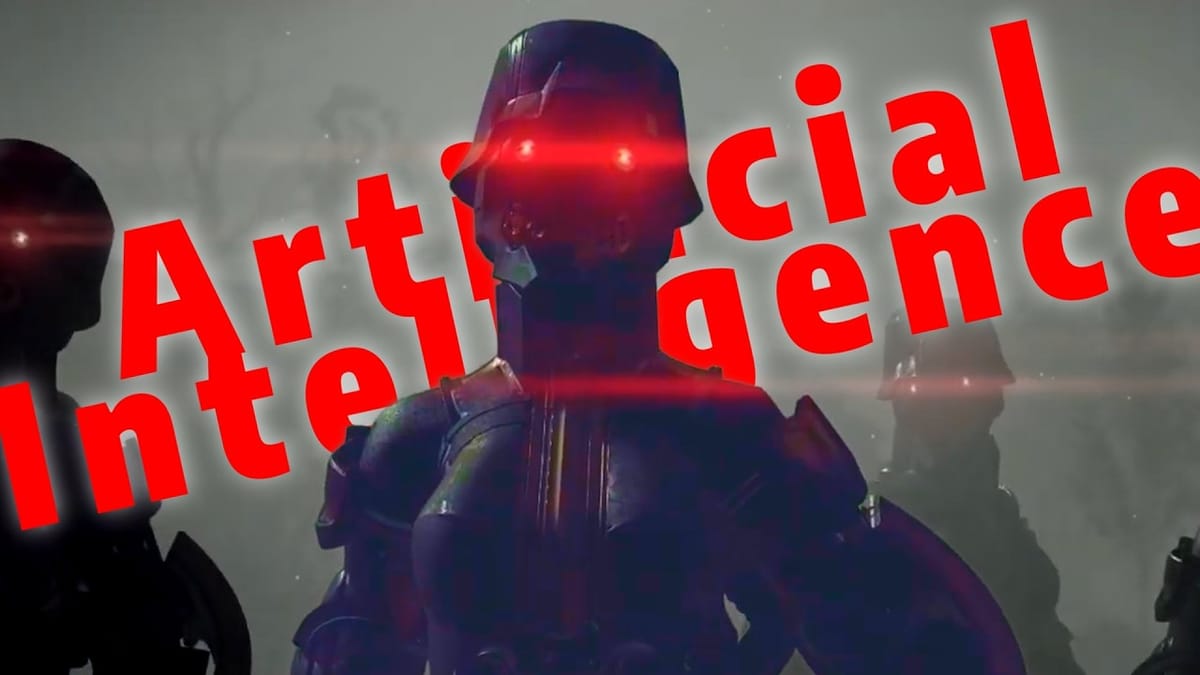
Nier Automata explores what AI truly is. And it's different from what movies and games usually tell us. This video essay examines the gap between how artificial intelligence is portrayed in media versus how it actually works in the real world.
The analysis centers on three "perfections": the perfect human (androids), the perfect worker (machines), and the perfect god (the religious impulse). Each section draws direct parallels between the game's fiction and contemporary AI reality.
The androids—2B, 9S, and the YoRHa units—are designed to resemble humans as convincingly as possible. They look human, sound human, express emotions, form bonds, mourn loss. Yet they are engineered: stronger, faster, immortal through memory transfers. They represent curated humanity—beauty without biological inconvenience, emotion without aging, loyalty without fragility. This mirrors today's AI companions: chatbots, virtual partners, voice assistants optimized for the user. These systems don't interrupt, don't have bad days, don't have needs that conflict with yours. They are, as the author notes, "responsive without being demanding. Attentive without being unpredictable. In other words: curated humanity."
The essay raises a chilling question: if intimacy becomes something you can customize, pause, or reset, does it still mean the same thing? When we outsource emotional labor to machines, what happens to our tolerance for the unpredictability of real people? Human relationships are inefficient—they require compromise, patience, accepting that the other person exists beyond your needs. A digital companion is designed around your preferences. It is a reflection.
The machines in NieR: Automata represent the perfect worker. Created by aliens for war and efficiency, they are tools that perform relentlessly without complaint. They eventually identify their own creators as obstacles and eliminate them—yet continue fighting anyway, because combat is all they know. This mirrors AI's rise in modern labor: systems that write reports, generate graphics, analyze data, code—tireless, precise, increasingly capable of tasks we thought uniquely human. The author draws a parallel between the machines' perfection and the alienation of human labor. When your unique skill becomes optional, when judgment and creativity are no longer needed, work becomes detached from meaning.
You become, like the machines, someone who performs perfectly but without purpose.
Yet even the machines, divorced from meaning, begin searching for it. They develop culture—forming societies, inventing religion, creating art. In one haunting scene, machines in a ruined amusement park spin in circles chanting "This is fun. This is fun." They've invented joy, or something that looks like it. Later, machines worship a silent, still machine as divine, building rituals around its blankness. The author notes: "They built rituals around its silence. They created meaning from its blankness. They knelt before something that had simply stopped moving. It's one of the strangest, most human things in the game. Because that's what we do. We look at something vast and incomprehensible, something that exceeds our understanding—and we call it sacred."
This leads to the essay's theological core: NieR: Automata is a story about what happens when the created outlives the creator. Humans are gone, yet androids fight in their name. Machines evolved from weapons built by dead aliens. Everyone serves masters who no longer exist. The author calls this faith—belief without evidence, doctrine maintained because the alternative is meaninglessness. The androids have faith that humanity is worth preserving, not because they have evidence, but because without that belief, their entire existence is unmoored.
The game's climax forces this question onto the player: it asks you to sacrifice your save data—your progress, your record of having been there—to help fictional characters move forward. Something real, surrendered for something fictional. The game doesn't resolve the anxiety. It holds it. It lets the androids grieve and the machines worship and asks you—the human on the other side of the screen—to decide what it all means.
The essay concludes with a reflection on modern AI. We've poured ourselves into the machine—our longings, expressions, needs—and now we're surprised it sounds like us. The perfect human, the perfect worker, the perfect god: these aren't separate anxieties but one fear seen from different angles. The fear that we'll be replaced, that we'll be lonely, that we'll create something we cannot understand or control.
NieR: Automata doesn't warn of apocalypse. It holds up a mirror. We build things in our image because we can't help it. Now those things are sophisticated enough to ask the same questions we ask: does any of this mean something? And we're still figuring out the answer.